Cart
0
0.00 €


What to do next with the rooted cutting? Whether, when, where and how to transplant the rooted cutting?
An important role in this process is the understanding that transplanting a hoya cutting will be unequivocally stressful. Therefore, the task is to minimize this stress for your rooted cutting as much as possible. Below I will list and try to show with pictures several principles that I take into account when answering the above questions, always keeping in mind that any transplant is still additional stress for the plant.
Whether? and When? transplant a rooted cutting?
If the cutting has taken root, then for good growth and further development of the hoya, the cutting must be transplanted. Since I root hoya cuttings in different substrates and different pots, the first transplant of a rooted hoya cutting depends on the first pot in which the hoya cutting was rooted.
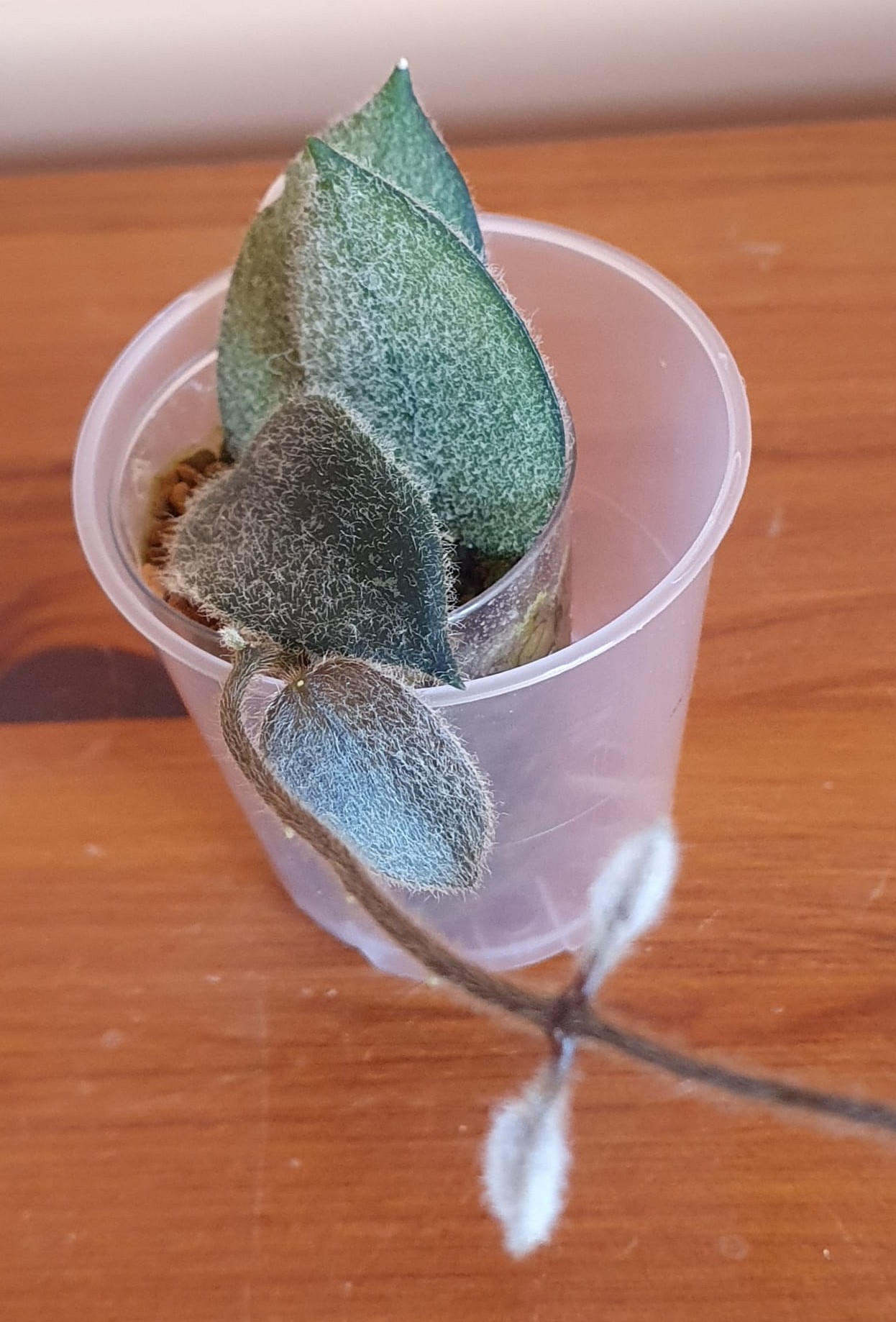
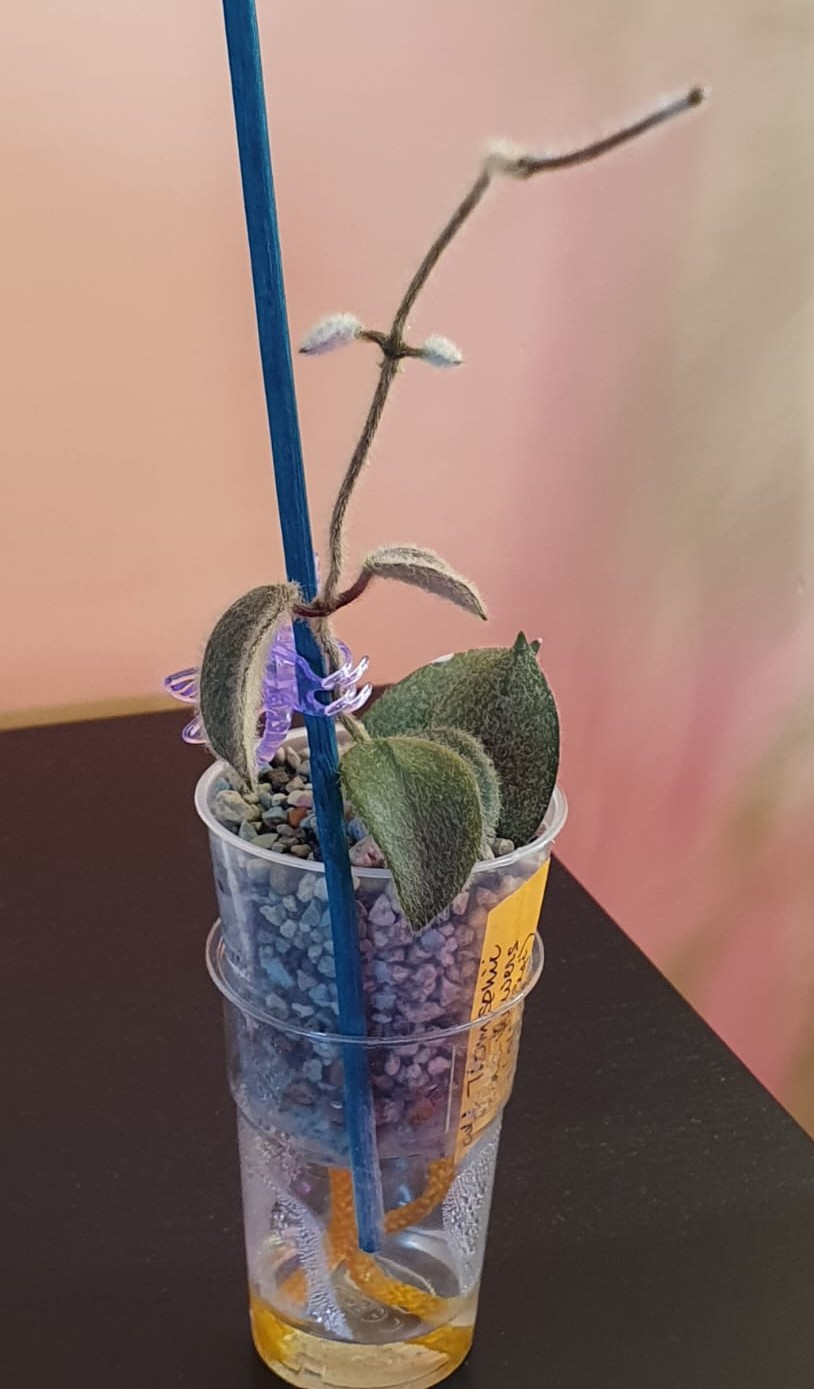
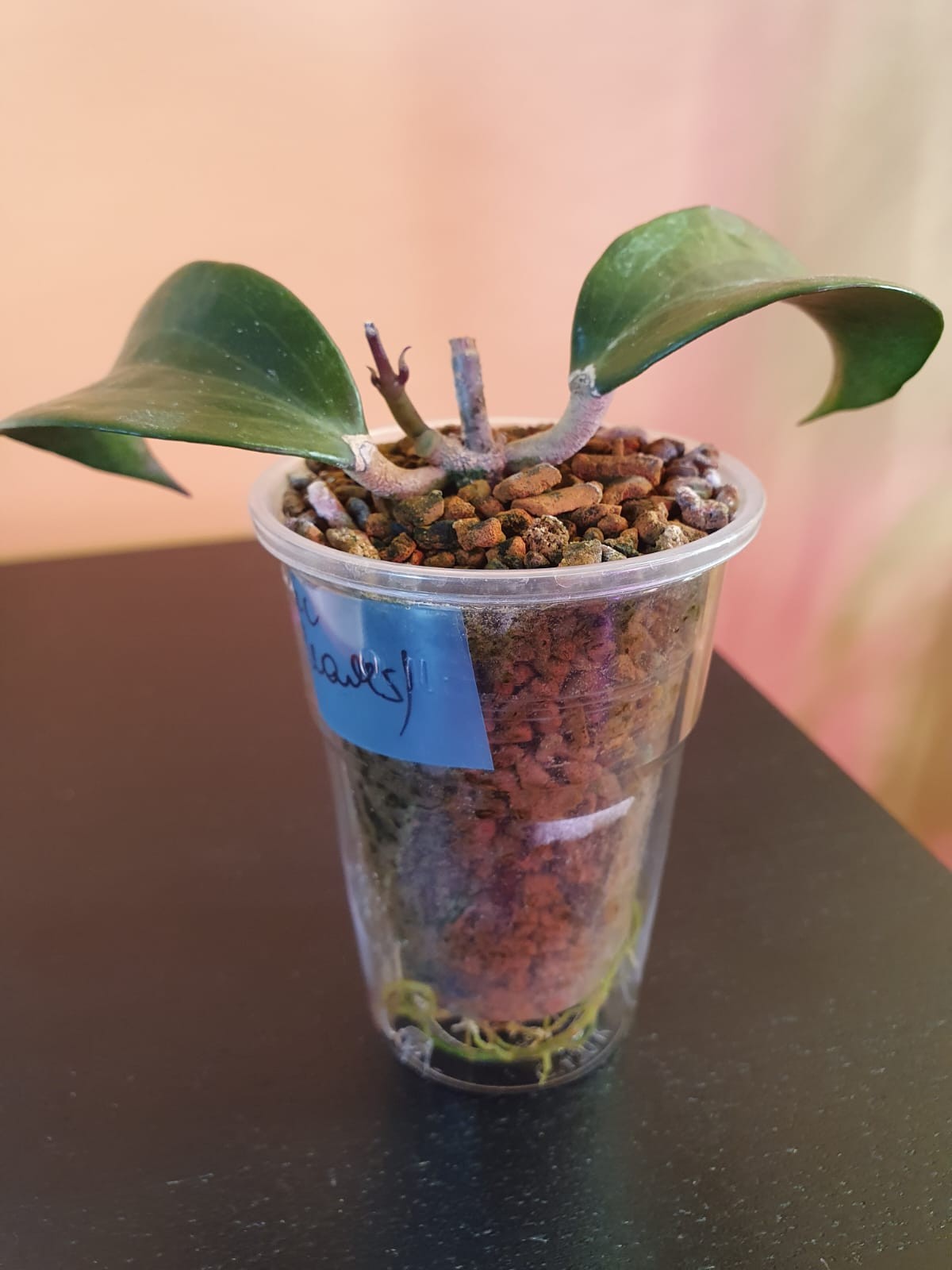
1) If the cutting has rooted in a pot without drainage holes, then the transplant is relatively faster - as soon as a few roots and the first shoot are visible, which has started to grow properly and has already given the first leaves, I transplant the cutting into a slightly larger pot (!!!) and already with drainage holes
2) If the cutting is rooted in a pot without drainage holes, new roots are visible, but the first shoot has only just started growing, but the first leaves have not yet bloomed, I wait a little longer
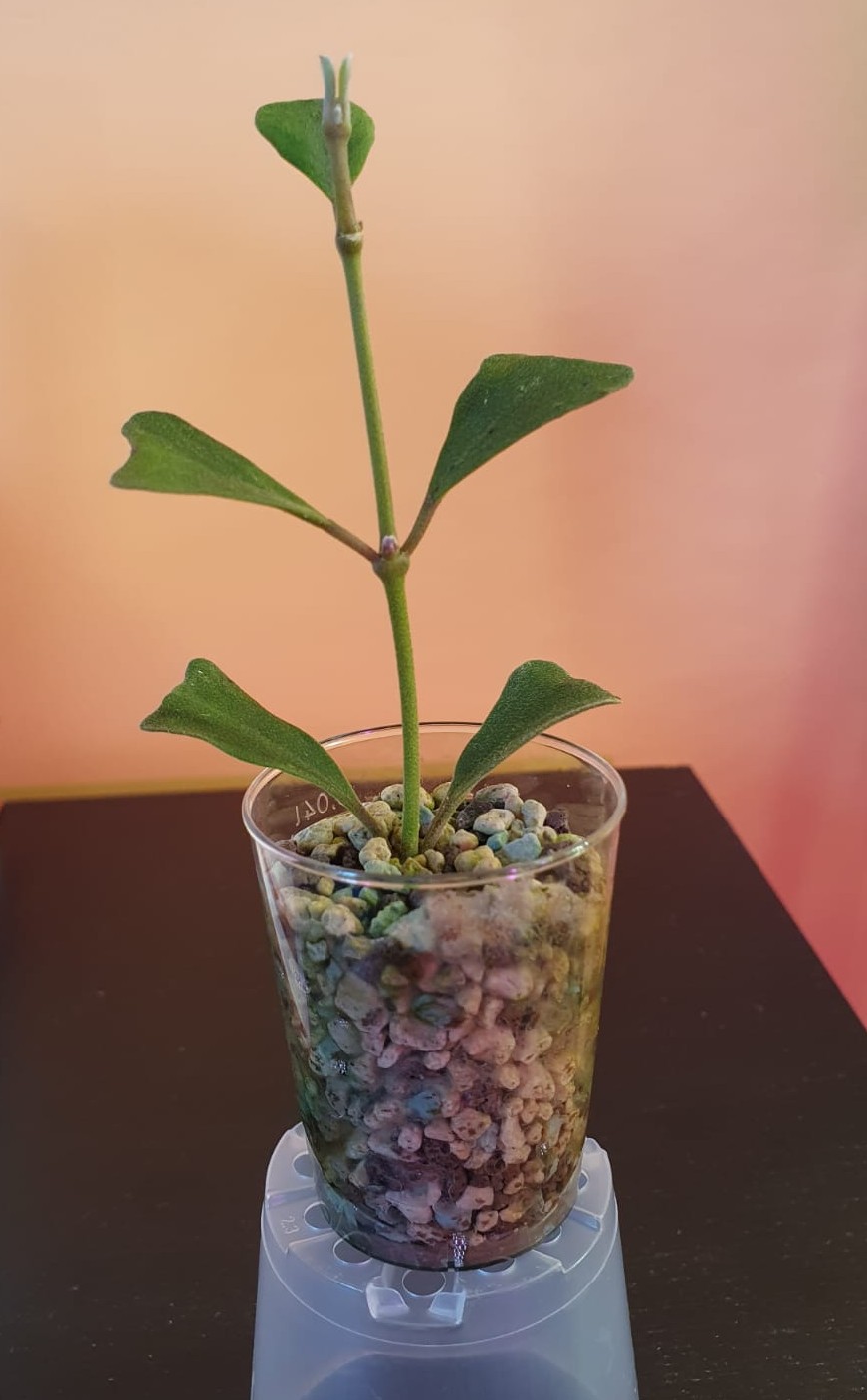
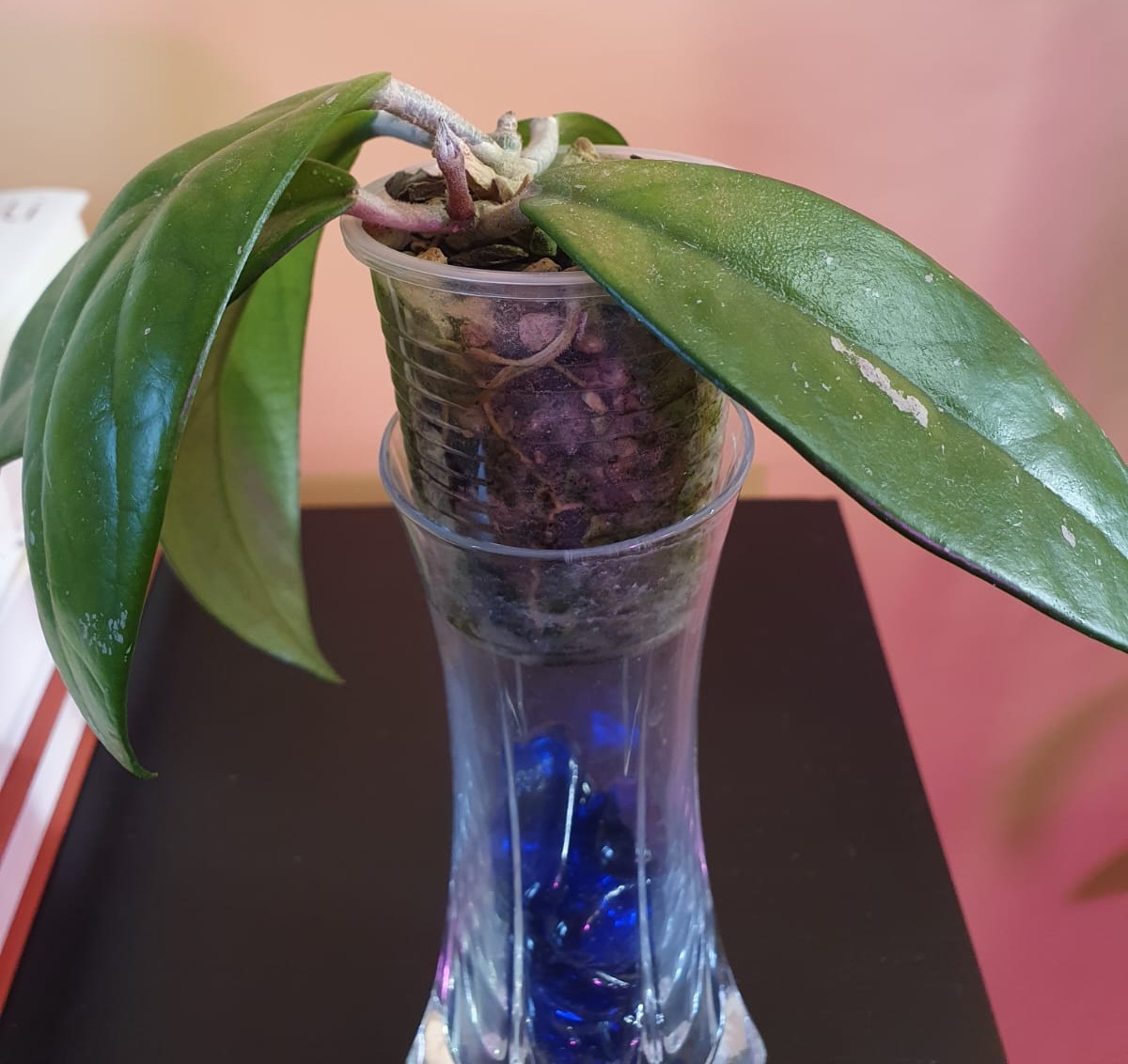
3) If the cutting is rooted in a pot with drainage holes, has given proper roots, which even come out through the drainage holes, but has not activated the first growth bud (or, there are no new shoots yet or they have just started to open and form the first leaves and tendrils), I do not transplant yet, I patiently wait for the first leaves to bloom
Where? and How? to transplant a rooted cutting?
Some things I take into account:
1) I always transplant only into a slightly larger pot (!!!), otherwise I will have to wait a long time for any activities, even until the cutting may die, because there will be an extremely large space for water to accumulate, air exchange in the root zone will be more difficult, they will not be able to process excess water and in the end will most likely start to rot, not grow
2) If possible, I try to transplant into the same substrate in which the cutting has rooted - or, if it is rooted in a non-mineral substrate, which is either potting soil or bark mulch, with various additives, then I transplant into that too. Or if it is rooted in a mineral substrate, then I continue growing it exactly the same way - I transplant into a mineral substrate (for example, lechuza + pumice at the bottom of the pot, or lechuza + a little ceramis). Although I have also transplanted such cuttings that have rooted in lechuza or ceramis into a non-mineral substrate (improved substrate for indoor flower soil or improved substrate for bark mulch), the process may take a little longer, but the hoya gets used to it and continues to grow peacefully, but the opposite will not happen - the hoya will most likely die. You can read about the substrates that I use here
If the hoya is rooted in improved substrate for indoor flower soil or improved substrate for bark mulch, then transplanting it to a mineral substrate (lechuza, pumice, ceramis) is a little more difficult, here the roots will have to be completely cleaned of the previous substrate - from the soil or from the bark. But about this process - growing hoya in self-watering pots in mineral substrates - in one of the next blog posts.
Some more important nuances that I have understood in my experience of growing hoyas, related to today's topic:
*after transplanting, I try to place the cutting so that it can not be moved for a while, because hoya take time to learn and understand the current direction of light, the current humidity level, etc., and adapt, resuming their growth
*when thinking about transplanting a cutting, I tend to look at the lunar calendar. Believe it or not, but there is some truth - the best time to plant and transplant is during periods when the Moon is in Pisces, Taurus, Cancer, Scorpio or Capricorn and is Waning or Growing. On the other hand, if the Moon is in Aquarius and is New, I don't do gardening and floriculture at all, it's a good time to read books or look at other hoya enthusiasts' blogs or search for new hoya species or varieties:)
And finally - if the transplanted cutting continues to grow new roots (new roots are already visible on the sides of the new pot), continues to grow its first shoot (the shoot continues to grow and form new leaves), then congratulations to you:) - your hoya cutting transplanting process has been great, the hoya has accepted the transplant, the transplant stress has passed for both you and the hoya and you both feel happy:) ... until the next transplant:)